 Best of Sarasota 2026 Gold

Does the Order You Eat Your Food Matter? What the Research Says About Blood Sugar
Medically reviewed


Eating protein and vegetables before carbohydrates lowered blood sugar after the same meal in research. The study was small, and the people in it had type 2 diabetes. More research is needed, but it is an easy habit to try. The point is order, not giving up the foods you enjoy. Food order and a short walk are good habits for anyone.
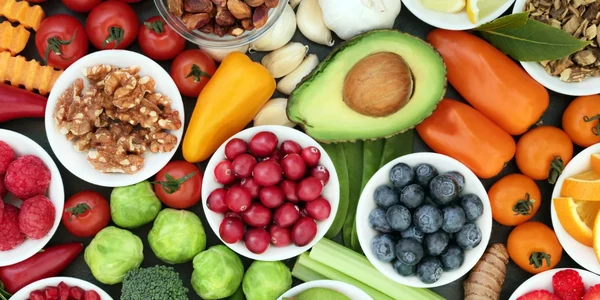
What does most eating advice leave out?
Most advice about eating is about what to eat, or how much. But research suggests that the order you eat your food can also make a difference. It is one of the easiest habits to try, because you do not have to give anything up.
Does eating vegetables and protein first lower blood sugar?
In one study, yes, by a meaningful amount.
In 2015, researchers at Weill Cornell Medicine asked 11 adults with obesity and type 2 diabetes to eat the same meal two ways, on separate days. The meal included chicken, a salad, steamed broccoli, ciabatta bread and orange juice.
- One day, they ate the bread and juice first, then the chicken and vegetables 15 minutes later.
- Another day, they ate the chicken and vegetables first, then the bread and juice.
When the protein and vegetables came first, their blood sugar was about 29% lower at 30 minutes, 37% lower at 60 minutes and 17% lower at 120 minutes. Their insulin levels were also lower. (Published in Diabetes Care, 2015.)
The study was small, and the people in it had type 2 diabetes. More research is needed to know how much the effect applies to everyone. But the habit is simple, safe and costs nothing.
Why would food order make a difference?
Protein, fat and fiber take longer to digest than simple carbohydrates like bread, juice and sweets. Eating them first may slow how quickly your stomach empties and how fast sugar from the rest of the meal reaches your blood. Protein and fiber also help you feel full sooner, so you may naturally eat less of what comes last.
How can you use food order at a big meal?
- Start with protein and vegetables. Turkey, chicken, fish, salad and green vegetables first.
- Save the starches and sweets for last. Bread, potatoes, stuffing and dessert come at the end.
- You do not have to skip anything. The point is order, not giving up the foods you enjoy.
Does walking after a meal help?
Yes. Short bouts of light movement help your muscles use sugar from your blood.
A 2022 review in Sports Medicine pooled seven studies that compared sitting with light standing or walking. Short walks of just two to five minutes, repeated through the day, lowered blood sugar more than sitting did. Standing helped too, but less.
A 10-minute walk after a big meal is an easy way to put this to work.
Does eating slowly help?
Fullness signals take time to travel from your gut to your brain. Eating slowly gives those signals a chance to arrive before you reach for seconds. Try setting your fork down between bites and waiting a few minutes before going back for more.
Why does a little weight gain matter?
In a well-known 2000 study from the National Institutes of Health, researchers weighed 195 adults before and after the winter holidays. On average, people gained less than one pound. That sounds small. But on average, they had not lost it a year later. Over many years, small gains like this can add up. (Published in the New England Journal of Medicine, 2000.)
What if you take a GLP-1 weight-loss medicine?
Medicines like semaglutide and tirzepatide slow down how quickly your stomach empties. That is part of how they help you feel full longer. It also means a large, rich meal can sit longer than you expect. For some people, that brings on nausea, heartburn or an uncomfortable, overly full feeling.
These habits can help:
- Use a smaller plate. Take a small portion of the foods you love. You can go back if you are still hungry.
- Eat protein first. It helps you feel full and supports your muscle while you lose weight.
- Go easy on very rich foods. Fried, creamy and very fatty dishes are the most likely to sit heavy.
- Stay hydrated. Sip water through the day.
- Stop at the first sign of fullness. On these medicines, fullness can arrive sooner than you are used to.
If you have questions about your medicine around a big meal or a special event, ask your provider. Do not change your dose on your own.
Where does medical weight loss fit?
Food order and a short walk are good habits for anyone. For some people, they are not enough on their own.
Our medical weight loss program includes an in-person visit with your provider every four weeks, prescription medicine when it is right for your health, and guidance on protein and strength training to help protect your muscle while you lose fat. Every plan starts with a consultation.
Food order and blood sugar: common questions.
Does the order you eat food really matter?
In a small 2015 study, eating protein and vegetables before carbohydrates lowered blood sugar after the same meal by about 37% at one hour. More research is needed, but it is an easy habit to try.
Do I have to give up dessert?
No. The idea is to eat it last, after protein and vegetables, not to skip it.
How long should I walk after eating?
Even a few minutes helps. Research found benefits from walks as short as two to five minutes. A 10-minute walk after a big meal is a simple goal.
Why do I feel sick after big meals on a GLP-1?
These medicines slow how fast your stomach empties, so large or rich meals can sit longer. Smaller portions, protein first and fewer very fatty foods often help. Ask your provider if it continues.
Can I change my GLP-1 dose before a big meal?
Talk to your provider first. Do not change your dose on your own.
Sources.
- Shukla AP, et al. Food order has a significant impact on postprandial glucose and insulin levels. (opens in a new tab) Diabetes Care. 2015;38(7):e98-e99. (Weill Cornell Medicine; senior author Louis Aronne.)
- Buffey AJ, et al. The acute effects of interrupting prolonged sitting time in adults with standing and light-intensity walking on biomarkers of cardiometabolic health: a systematic review and meta-analysis. (opens in a new tab) Sports Medicine. 2022.
- Yanovski JA, et al. A prospective study of holiday weight gain. (opens in a new tab) New England Journal of Medicine. 2000;342(12):861-867.
More articles. From our Knowledge Center.


Book your consultation.
Reserve your visit in Sarasota or Venice, or learn more about medical weight loss at Eternal MedSpa. Prefer to text first? Text us at 941-337-8461.
Still deciding? Try the Eternal Plan Builder.
Please give 24 hours' notice to cancel or reschedule. Cancellation policy
Educational content only. This article does not diagnose, prescribe, determine candidacy, or replace evaluation by an appropriately licensed healthcare provider. Treatment plans depend on health history, goals, and provider assessment. Individual results vary.